

Cardio-Renal-Neural Phenotype Shapes Survival After Liver Transplant in ATTR Amyloidosis

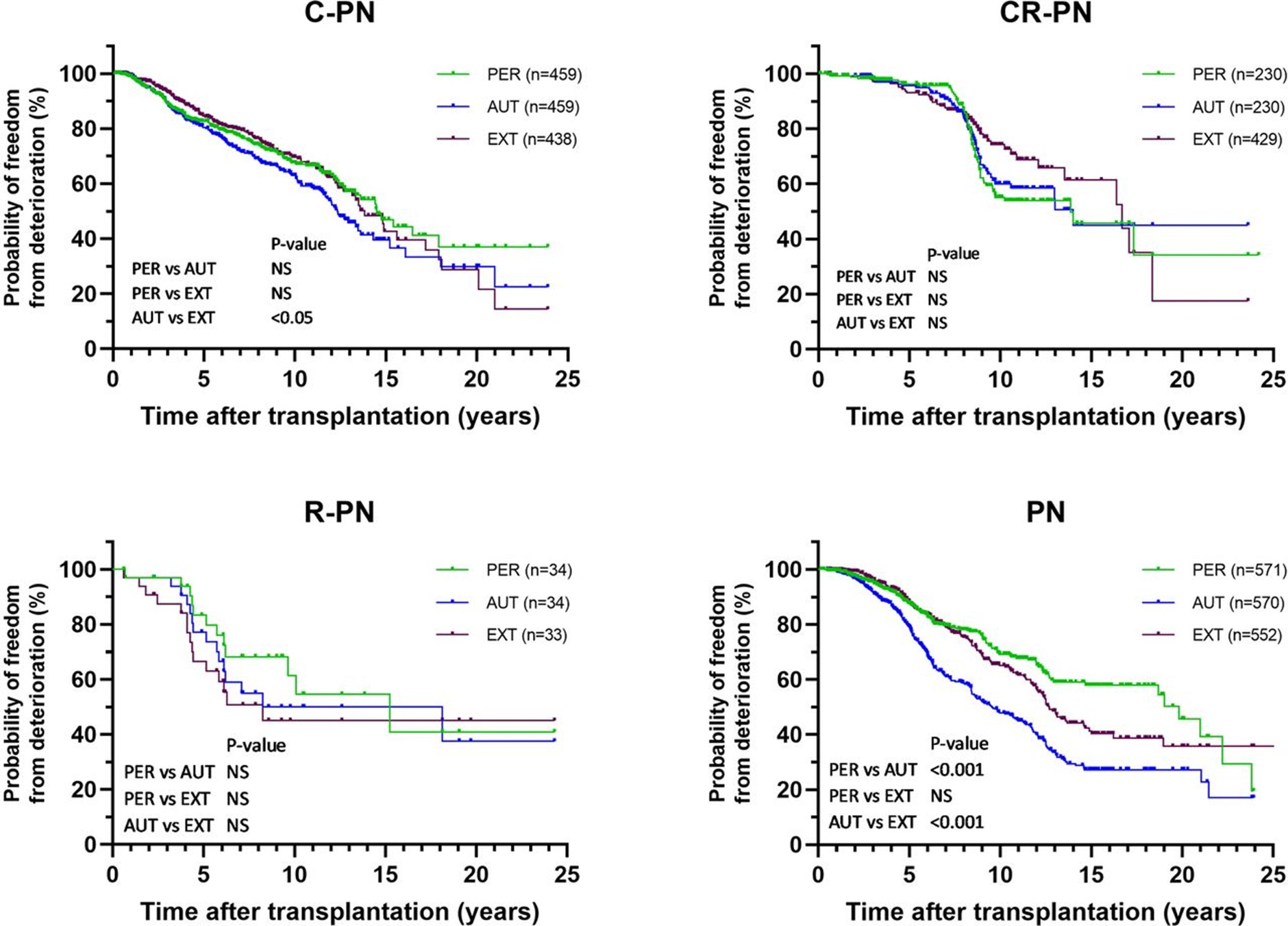
An eGastroenterology study led by Dr. Henryk Wilczek found cardiac involvement predicts poorer long-term survival after liver transplant in ATTR amyloidosis
CHINA, June 11, 2026 /EINPresswire.com/ -- Background: from surgical standard to selective therapyHereditary transthyretin amyloidosis (ATTRv) is a multisystem disorder driven by misfolded transthyretin protein, leading to progressive neuropathy, cardiomyopathy, and organ dysfunction. Liver transplantation (LTx), which removes the primary source of mutant transthyretin, was historically the standard of care. However, the emergence of TTR-stabilizing and gene-silencing therapies has shifted treatment paradigms, leaving LTx reserved for selected patients. In this context, understanding which patients benefit the most from transplantation remains clinically important.
Study design: 30 years of global registry data
This retrospective study, published in the journal eGastroenterology, analyzed data from the Familial Amyloidotic Polyneuropathy World Transplant Registry (FAPWTR), including 1,762 patients who underwent isolated LTx between 1990 and 2012 across 82 centers in 21 countries.
Patients were stratified into four phenotypes based on organ involvement prior to transplantation: (1) polyneuropathy only (PN); (2) cardiac + polyneuropathy (C-PN); (3) renal + polyneuropathy (R-PN); (4) cardiorenal + polyneuropathy (CR-PN).
The study evaluated long-term survival and post-transplant disease progression across these groups.
Key finding 1: phenotype is a major determinant of survival
Overall survival after LTx was substantial, with:
• Median survival: 20.4 years
• 25-year survival rate: 32.4%
However, outcomes differed markedly by phenotype:
• Cardiac phenotype (C-PN): 15.2 years
• Cardiorenal phenotype (CR-PN): 20.8 years
• PN: 22.7 years
Cardiac involvement emerged as the strongest adverse prognostic factor, doubling mortality risk in univariable analysis and remaining significant after adjustment.
Key finding 2: clinical and nutritional factors influence outcomes
Several additional predictors of survival were identified:
• Older age at transplantation increased mortality risk
• Longer disease duration worsened outcomes
• Adverse nutritional status (modified body mass index) predicted poorer survival
• Non-V30M variants were associated with worse prognosis
Notably, each year increase in age at transplantation raised mortality risk by ~6%, while better nutritional status independently improved survival. These findings reinforce the importance of early referral and optimization before transplantation.
Key finding 3: autonomic neuropathy signals early disease progression
Post-transplant disease evolution revealed a distinct pattern:
• Autonomic neuropathy deteriorated earlier than peripheral neuropathy or organ involvement
• This effect was particularly pronounced in patients with PN phenotype
This suggests that worsening autonomic symptoms may serve as an early clinical marker of disease progression, potentially guiding the introduction of adjunct pharmacotherapy after transplantation.
Clinical implications: refining patient selection in the modern era
Although LTx is no longer the first-line therapy, the study provides several clinically relevant insights: (1) cardiac involvement should weigh heavily in decision-making, given its strong association with poorer survival; (2) renal involvement alone is not a contraindication to transplantation; (3) early intervention and good nutritional status remain critical for optimal outcomes; (4) post-transplant monitoring should prioritize autonomic symptoms as early warning signs. Importantly, these long-term data offer a benchmark for comparing emerging therapies, including RNA-silencing drugs and gene-editing approaches.
Looking ahead: role of transplantation in the era of gene therapy
With the advent of therapies targeting TTR production—including RNA interference and CRISPR-based gene editing—LTx is now reserved for highly selected cases. Nevertheless, this study highlights that transplantation can still deliver decades-long survival benefit, particularly in carefully chosen patients without significant cardiac involvement.
Reference
Title of original paper: Amyloidogenic phenotypical variation affects post-transplant outcome of hereditary transthyretin amyloidosis: a retrospective study
Journal: eGastroenterology
DOI: http://doi.org/10.1136/egastro-2025-100243
About eGastroenterology
eGastroenterology, a BMJ journal partnered with Gut and launched by leading scientists in gastroenterology and hepatology, has been indexed in the Web of Science Core Collection (ESCI), PubMed, DOAJ, Scopus, CAS, ROAD, and many other major international databases within just two years of its launch. The journal is expecting to receive its first Impact Factor in June 2026.
For more information, please visit: egastroenterology.bmj.com and follow us on X (@eGastro_BMJ).
Sign-up to Email Alerts for eGastroenterology: https://emails.bmj.com/k/Bmj/jausu/egastroenterology
About Karolinska Institute
Karolinska Institutet is one of the world’s leading medical universities. Our vision is to advance knowledge about life and strive towards better health for all. Karolinska Institutet accounts for the single largest share of all academic medical research conducted in Sweden and offers the country’s broadest range of education in medicine and health sciences. The Nobel Assembly at Karolinska Institutet selects the Nobel laureates in Physiology or Medicine.
Website: https://ki.se/en
Funding information
This study was supported, in part, by an unrestricted grant to the FAPWTR from Alnylam, USA. The FAPWTR is supported by Karolinska University Hospital and Karolinska Institutet, Stockholm, Sweden. Astellas Pharma, Great Britain and Novartis, Sweden are previous sponsors of FAPWTR. The funding sources had no involvement in the collection, analysis and interpretation of data.
Menghan Gao
eGastroenterology
+86 431 8878 2545
email us here
Legal Disclaimer:
EIN Presswire provides this news content "as is" without warranty of any kind. We do not accept any responsibility or liability for the accuracy, content, images, videos, licenses, completeness, legality, or reliability of the information contained in this article. If you have any complaints or copyright issues related to this article, kindly contact the author above.
